
Back in 1990, in a baseball card shop just a few Chicago suburbs over from where I grew up, a 13-year-old named Bryan Wrzesinski bought one of the iconic 1968 Nolan Ryan/Jerry Koosman Topps rookies for $12.
Twelve bucks was a whopping sum for us early teen types back then, but Wrzesinski knew it was a wise investment and couldn’t get his wallet out fast enough. The card was normally valued at $1,200, but a card shop worker who didn’t know very much about baseball cards put a decimal point in a spot where there shouldn’t have been one when pricing it.
‘Duk does a great job recapping a story from 1990 that I entirely missed at the time, despite being in the prime of my baseball-card collecting career. Turns out Chicago-area human interest stories didn’t really get to Long Island back before anyone knew about the Internet.
 Anyway, it’s a good one and worth a read. I mention it here for a couple reasons:
1) I have the card in question. Inherited it from my brother. Sadly, it’s not worth $1,200 or whatever it should be worth now because there’s a pinhole in Jerry Koosman’s head. No idea how that happened, but it has been there as long as I’ve known the card. We didn’t do nearly enough to protect the condition of our baseball cards back in the day.
Luckily, I guess, it doesn’t really matter since I have no intention of ever selling off my baseball cards anyway. They’ll stay in storage at my parents’ house where they belong.
2) My brother and I pulled a pretty similar stunt, only on a much smaller scale. Our parents dragged us to an antique shop upstate once, and we found the lady in the store selling her son’s old cards based on a price guide from 1979. I don’t think anything we bought back then is really worth all that much now, but we stocked up, thinking we were savvy as all get-out for taking advantage of an old woman.
 A
A  Check out
 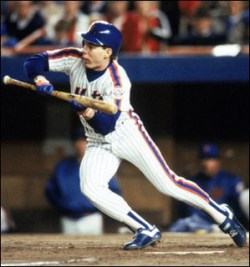 I like this quote, though, because of the way it speaks to Dykstra’s motivations, and I assume the moviations of many of baseball’s steroid users. Major League Baseball is a massively competitive undertaking and its players are massively competitive people. Many of them were (and many probably still are) willing to jeopardize their longterm health for an additional edge, or, once steroids became pervasive, to be on even footing with their juiced-up brethren.
 But Pascucci soldiers on in Triple-A regardless. And what a show he’s giving the people of Buffalo.
 Tedquarters